
AICE Environmental Management Study Guide: An Overview
AICE Environmental Management is a rigorous course covering crucial ecological issues; the study guide prepares students for comprehensive assessments and real-world application.
This guide delves into ecosystems, pollution, resource management, and sustainable practices, equipping learners with vital environmental knowledge for future endeavors.
What is AICE Environmental Management?
AICE Environmental Management is a globally recognized pre-university course, specifically designed to foster a deep understanding of environmental principles and sustainable practices. It’s an Advanced International Certificate of Education qualification, preparing students for university-level study in environmental science and related fields.
The curriculum emphasizes practical skills, critical thinking, and real-world problem-solving. Students explore complex issues like climate change, biodiversity loss, resource depletion, and pollution, learning to analyze environmental challenges from multiple perspectives. This course isn’t just about theory; it’s about applying knowledge to create a more sustainable future, bridging the gap between scientific understanding and effective environmental stewardship.
Exam Structure and Assessment
The AICE Environmental Management assessment comprises two papers. Paper 1 is a structured question paper testing core knowledge and understanding of environmental concepts, contributing 50% to the final grade. Paper 2, worth the remaining 50%, is a skills-based assessment featuring case study analysis and essay writing.
Essays are crucial, with Section (b) carrying more weight (30 points) than Section (a). Eloquence, planning, and specific, evidence-based responses are highly valued. Utilizing relevant case studies – comparing LEDC and MEDC examples – strengthens arguments. Remember, clarity and coherence are key; a conclusion isn’t necessary for Section (b).

Core Concepts & Themes
AICE Environmental Management centers on interconnected themes like ecosystems, biodiversity, population dynamics, and resource sustainability, demanding holistic understanding of environmental challenges.
Ecosystems and Climate
Understanding ecosystems is fundamental to AICE Environmental Management, requiring analysis of biotic and abiotic interactions within diverse environments. Students explore energy flow, nutrient cycles, and the impact of climate on ecosystem structure and function.
Climate change significantly alters these systems, influencing species distribution, phenology, and overall ecosystem resilience. The course emphasizes the interconnectedness of climate and ecosystems, examining how alterations in temperature, precipitation, and extreme weather events affect biodiversity and ecological processes. Case studies illustrate these impacts globally, fostering critical thinking about mitigation and adaptation strategies.
Biodiversity and Conservation
AICE Environmental Management places significant emphasis on biodiversity – the variety of life on Earth – and its crucial role in ecosystem health. Students investigate the factors threatening biodiversity, including habitat loss, invasive species, pollution, and climate change;
Conservation strategies, ranging from protected areas and species-specific recovery plans to sustainable resource management, are thoroughly examined. The course stresses the importance of both in-situ and ex-situ conservation efforts, alongside the ethical and economic considerations surrounding biodiversity preservation. Case studies highlight successful and unsuccessful conservation initiatives worldwide.
Population and Resource Management
AICE Environmental Management explores the complex interplay between human populations, resource availability, and environmental sustainability. Students analyze population growth patterns, demographic transitions, and their impact on resource consumption.
The course investigates various resource management strategies, including renewable and non-renewable resource utilization, sustainable agriculture, and waste management techniques. Emphasis is placed on understanding carrying capacity, ecological footprints, and the challenges of balancing human needs with environmental protection. Case studies illustrate the consequences of unsustainable resource use in both LEDCs and MEDCs.

Water Resources & Management
This section examines global water security, climate change’s impact on water, factors causing insecurity like over-abstraction, and access disparities between urban and rural areas.
Water Security: Definition and Importance
Water security refers to the capacity of a population to safeguard sustainable access to adequate quantities of acceptable-quality water for sustaining livelihoods, well-being, and the environment.
Understanding this concept is paramount, as water scarcity increasingly threatens global stability and sustainable development. Climate change exacerbates these challenges, impacting water availability and quality.
Ensuring water security necessitates integrated water resource management, considering both human and ecological needs. It’s crucial for public health, food production, economic prosperity, and ecosystem preservation, demanding collaborative efforts across sectors and borders.
Exam success requires clearly explaining this definition and its multifaceted importance.
Climate Change Impacts on Water Resources
Climate change significantly pressures water resources through altered precipitation patterns, leading to increased droughts and floods. Rising temperatures enhance evaporation rates, diminishing surface water availability and exacerbating water stress in already arid regions.
Glacier and snowpack melt, crucial freshwater sources for many communities, are accelerating, threatening long-term water security. Sea-level rise contributes to saltwater intrusion, contaminating freshwater aquifers, particularly impacting coastal areas.
These changes disrupt water cycles, impacting agricultural productivity, ecosystem health, and human populations. Understanding these impacts is vital for developing effective adaptation and mitigation strategies.
Exam responses should explain these pressures and their consequences.
Factors Contributing to Water Insecurity (Over-abstraction)
Over-abstraction, the removal of water at a rate exceeding its natural replenishment, is a major driver of water insecurity. This occurs through excessive groundwater pumping for agriculture, industry, and domestic use, depleting aquifers faster than they recharge.
Population growth and increased demand exacerbate this issue, particularly in arid and semi-arid regions. Inefficient irrigation practices contribute significantly to water waste. Lack of effective water management policies and regulations further compounds the problem.
LEDCs often struggle with sustainable water management due to limited resources and infrastructure. Understanding these factors is crucial for exam success.
Saltwater Intrusion & Urban vs. Rural Access
Saltwater intrusion occurs when excessive groundwater extraction reduces freshwater pressure, allowing saltwater to migrate inland and contaminate aquifers; This is a significant threat to coastal freshwater supplies, rendering them unusable for drinking or irrigation.
Generally, urban areas have better access to treated water due to developed infrastructure, though this isn’t always guaranteed – informal settlements and disasters can disrupt supply. Rural areas often rely on groundwater, making them more vulnerable to saltwater intrusion and drought.
Exam responses should acknowledge exceptions to this pattern, demonstrating nuanced understanding.

Soil Management & Agriculture
This section explores soil degradation processes and examines sustainable agricultural practices, including minimizing pesticide impacts on the environment and ecosystem health.
Soil Degradation Processes
Soil degradation encompasses the decline in soil quality, impacting its ability to support plant life and ecosystem functions. Key processes include soil erosion, caused by wind and water, removing fertile topsoil. Nutrient depletion occurs through intensive agriculture and deforestation, diminishing essential minerals.
Compaction, often from heavy machinery, reduces pore space, hindering root growth and water infiltration. Salinization, particularly in arid regions, results from salt accumulation due to irrigation. Acidification, often linked to acid rain and fertilizer use, alters soil pH. Understanding these processes is crucial for implementing effective soil conservation strategies and promoting sustainable land management.
Sustainable Agricultural Practices
Sustainable agriculture aims to produce food while minimizing environmental impact and ensuring long-term productivity. Crop rotation enhances soil health and reduces pest/disease outbreaks. Terracing and contour plowing prevent soil erosion on slopes. Agroforestry integrates trees into farming systems, providing shade and improving biodiversity.
No-till farming minimizes soil disturbance, conserving moisture and organic matter. Integrated Pest Management (IPM) reduces reliance on synthetic pesticides. Organic farming prohibits synthetic inputs, promoting natural processes. These practices contribute to healthier ecosystems, reduced pollution, and increased resilience to climate change.
Pesticide Use in the Environment
Pesticides, while boosting agricultural yields, pose significant environmental risks. Bioaccumulation occurs as pesticides move up the food chain, concentrating in top predators. Biomagnification amplifies these concentrations, causing harmful effects. Runoff contaminates water sources, impacting aquatic ecosystems and human health.
Pesticide resistance develops in pest populations, requiring stronger, more frequent applications. Non-target effects harm beneficial insects and pollinators. Integrated Pest Management (IPM) offers a sustainable alternative, minimizing pesticide use through biological controls and careful monitoring.
Pollution Management
Pollution control strategies encompass air, water, and land, utilizing NSS protocols and marine mammal protection measures for effective environmental remediation.
Types of Pollution (Air, Water, Land)
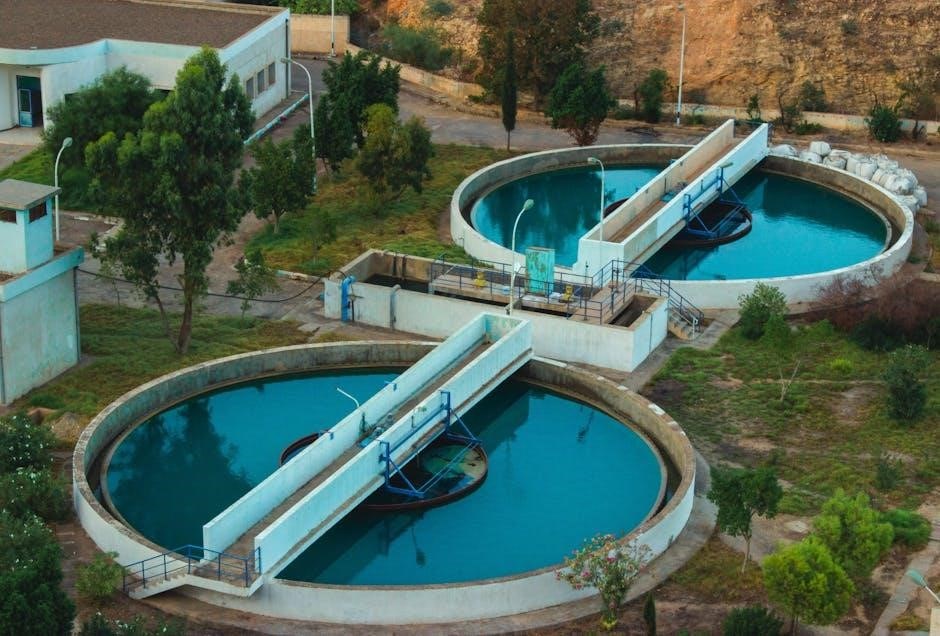
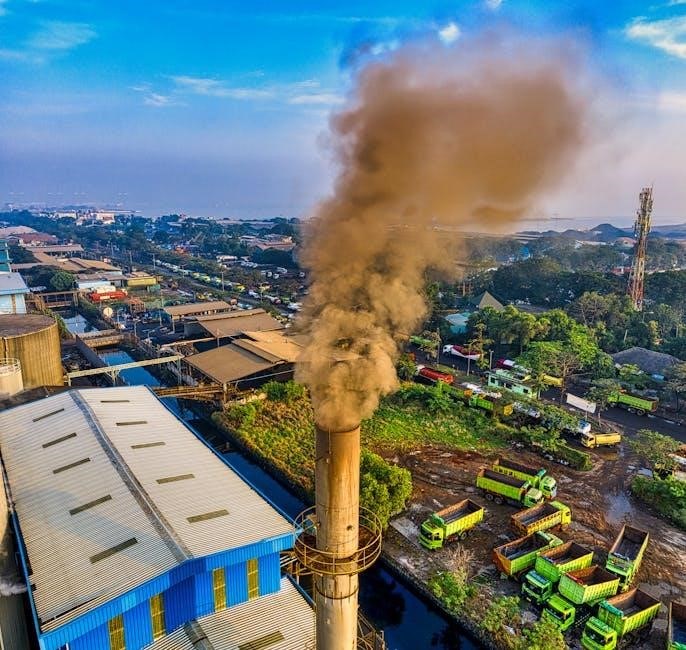
Air pollution stems from sources like industrial emissions and vehicle exhaust, impacting respiratory health and contributing to acid rain. Water pollution arises from agricultural runoff, sewage, and industrial discharge, harming aquatic ecosystems and human health.
Land pollution results from improper waste disposal, mining activities, and pesticide use, degrading soil quality and threatening biodiversity. Understanding these pollution types is crucial for developing effective management strategies. The interconnectedness of these forms highlights the need for holistic approaches to environmental protection, considering the cascading effects on ecosystems and human well-being.
Effective pollution management requires identifying sources, assessing impacts, and implementing preventative measures.
Pollution Control Strategies
Pollution control encompasses a range of strategies, including legislation like the NSS (National Strategy to Support Marine Mammal Protection) aimed at minimizing harmful impacts. Technological solutions, such as scrubbers for air pollution and wastewater treatment plants, play a vital role.
Economic incentives, like pollution taxes and subsidies for cleaner technologies, encourage responsible practices. Behavioral changes, such as reducing consumption and promoting recycling, are also essential. Integrated approaches, combining regulatory measures with technological advancements and public awareness, are most effective.
Successful strategies require continuous monitoring, evaluation, and adaptation to address evolving challenges.
NSS Pollution Control & Marine Mammal Protection
The National Strategy to Support Marine Mammal Protection (NSS) represents a crucial framework for mitigating pollution’s impact on ocean ecosystems and their inhabitants. It addresses threats like noise pollution from shipping, entanglement in fishing gear, and chemical contaminants.
NSS initiatives focus on reducing pollutant discharge, promoting responsible fishing practices, and establishing marine protected areas. International cooperation is vital, as marine mammals often migrate across national boundaries.
Effective implementation requires robust monitoring, enforcement, and ongoing research to understand and address emerging threats to these vulnerable species.

Forests & Land Use
Forest conservation and sustainable management are vital for biodiversity and climate regulation; understanding deforestation’s consequences and terrestrial adaptations is key.
Forest Conservation and Management
Effective forest management balances timber extraction with ecological preservation, ensuring long-term forest health and biodiversity. Sustainable forestry practices, like selective logging and reforestation, minimize environmental impact. Conservation efforts involve establishing protected areas, combating illegal logging, and promoting community-based forest management.
Understanding forest biomes and their unique adaptations is crucial. AICE students must analyze the role of forests in carbon sequestration, watershed protection, and habitat provision. Examining case studies of successful forest conservation initiatives – in both LEDCs and MEDCs – demonstrates practical application of management principles. Recognizing the interconnectedness of forest ecosystems is paramount for informed environmental stewardship.
Deforestation and its Consequences
Deforestation, the clearing of forests, has devastating consequences, including habitat loss, soil erosion, and climate change. Large-scale forest removal disrupts ecosystems, reduces biodiversity, and contributes to increased carbon dioxide levels in the atmosphere. Agricultural expansion, logging, and urbanization are primary drivers of deforestation globally.
AICE Environmental Management students must analyze the socio-economic factors contributing to deforestation, alongside its ecological impacts. Examining case studies – particularly in LEDCs – reveals the complex interplay between development and environmental degradation. Understanding mitigation strategies, such as afforestation and sustainable land-use planning, is vital for effective environmental management.
Terrestrial Ecosystems and Adaptations
Terrestrial ecosystems, encompassing diverse biomes like forests, grasslands, and deserts, showcase remarkable adaptations of flora and fauna. AICE Environmental Management requires understanding how organisms evolve to thrive in specific environments, considering factors like temperature, rainfall, and altitude.
Students will explore adaptations for water conservation in arid regions, nutrient acquisition in nutrient-poor soils, and predator avoidance in various habitats. Analyzing these adaptations highlights the intricate relationships within ecosystems and the importance of biodiversity. Knowledge of biome characteristics and species interactions is crucial for effective conservation strategies.

Energy Resources
AICE Environmental Management examines both renewable (solar, wind) and non-renewable (fossil fuels) energy sources, alongside strategies for energy conservation and efficiency.
Renewable Energy Sources
AICE Environmental Management extensively covers renewable energy, highlighting its sustainability and reduced environmental impact. Key sources include solar power – utilizing photovoltaic cells and concentrated solar power – and wind energy, harnessed through wind turbines.
Hydroelectric power, geothermal energy, and biomass are also explored, analyzing their potential and limitations. The study guide emphasizes the importance of evaluating the lifecycle impacts of each source, considering factors like land use, resource availability, and technological advancements.
Students learn to assess the feasibility of implementing renewable energy solutions in various contexts, considering economic, social, and environmental factors, and comparing them to traditional fossil fuels.
Non-Renewable Energy Sources
AICE Environmental Management examines non-renewable energy sources, primarily fossil fuels – coal, oil, and natural gas – detailing their formation, extraction, and combustion processes. The study guide critically analyzes the environmental consequences of their use, including greenhouse gas emissions, air pollution, and habitat destruction.
Nuclear energy is also explored, focusing on its benefits as a low-carbon source alongside the risks associated with radioactive waste disposal and potential accidents. Students learn to evaluate the geopolitical implications of fossil fuel dependence and the challenges of transitioning to sustainable alternatives.
The guide stresses understanding the finite nature of these resources and the urgent need for energy conservation and diversification.
Energy Conservation Strategies
AICE Environmental Management emphasizes energy conservation as a crucial component of sustainable resource management. The study guide details various strategies, ranging from individual behavioral changes – like reducing energy consumption at home – to large-scale policy interventions.
These include improving energy efficiency in buildings and transportation, promoting public transport, and investing in smart grid technologies. Students analyze the economic benefits of energy conservation, such as reduced energy bills and increased energy security.
The guide also explores the role of government regulations and incentives in driving energy conservation efforts, fostering a shift towards a more sustainable energy future.

Waste Management
AICE Environmental Management explores waste reduction, recycling, and landfill management, analyzing their environmental impacts and sustainable solutions for effective resource recovery.
Waste Reduction and Recycling
AICE Environmental Management emphasizes minimizing waste generation through strategies like reducing consumption, reusing materials, and responsible product design. Recycling plays a pivotal role, diverting materials from landfills and conserving natural resources.
Students will analyze the effectiveness of different recycling programs, considering factors like collection methods, processing technologies, and market demand for recycled products. The course also examines the challenges associated with recycling, such as contamination and the economic viability of recycling certain materials.
Furthermore, the study guide explores the concept of the circular economy, aiming to eliminate waste and pollution by keeping products and materials in use for as long as possible.
Landfill Management
AICE Environmental Management investigates landfill design and operation, focusing on minimizing environmental impacts. Students learn about leachate collection systems, gas capture technologies (like methane recovery), and the importance of site selection to prevent groundwater contamination.
The study guide explores the challenges of landfill capacity and the need for alternative waste disposal methods. It also examines the environmental consequences of landfill gas emissions, including greenhouse gas contributions and potential health risks.
Furthermore, the course analyzes landfill restoration and aftercare procedures, aiming to rehabilitate landfill sites and mitigate long-term environmental liabilities.
Case Study Application
AICE Environmental Management emphasizes applying knowledge to real-world scenarios; case studies demonstrate effective management principles in both LEDCs and MEDCs.
Utilizing Case Studies for Exam Success
AICE Environmental Management exams heavily reward the strategic use of case studies as evidence. They demonstrate a deeper understanding beyond theoretical knowledge, showcasing practical application of concepts. Remember to select specific examples – local or global – and thoroughly link them to relevant management principles.
Prioritize including comparisons between Less Economically Developed Countries (LEDCs) and More Economically Developed Countries (MEDCs) to illustrate varying approaches and challenges. Eloquent and detailed case study integration significantly boosts essay scores, proving your ability to analyze complex environmental issues effectively.
LEDC vs. MEDC Examples
Comparing LEDCs and MEDCs reveals contrasting environmental management approaches. For instance, consider deforestation: Brazil (LEDC) faces challenges with large-scale Amazon rainforest clearing, often driven by economic needs, while Germany (MEDC) prioritizes sustainable forestry with stricter regulations.
Similarly, pollution control differs; an LEDC might lack resources for advanced wastewater treatment, leading to river contamination, whereas a MEDC invests in sophisticated technologies. Analyzing these disparities demonstrates understanding of socio-economic factors influencing environmental outcomes and the importance of tailored management strategies.

Exam Technique & Strategies
Planning is crucial; prioritize section (b) for maximum points, employing eloquent writing and specific, evidence-based responses with relevant case studies for success!
Planning and Eloquence in Essay Writing
Effective essay writing demands careful pre-planning; outlining key arguments and structuring responses logically is paramount for success in AICE Environmental Management. Remember, style and eloquence significantly influence grading, which is inherently subjective.
Clarity and coherent expression are vital – avoid ambiguity and ensure your points flow seamlessly. Prioritize a well-developed section (b), as it carries greater weight (30 points). Support your claims with specific examples, ideally incorporating both LEDC and MEDC case studies, always linking them back to core management principles.
While a concluding paragraph isn’t essential for section (b), maintaining a focused and articulate approach throughout is key. Be specific – avoid vague statements and demonstrate a thorough understanding of the subject matter!
Prioritizing Essay Sections (a vs. b)
In AICE Environmental Management essays, strategic prioritization is crucial. Section (b) is worth a substantial 30 points, making it the primary focus. It’s more beneficial to craft a strong, detailed response for (b) even if it means section (a) is comparatively weaker.
Don’t fall into the trap of spending equal time on both sections. While (a) is important, maximizing your score on (b) yields greater returns. Remember to utilize relevant case studies as evidence, demonstrating your understanding of real-world applications.
Focus on depth and specificity in (b), showcasing your analytical skills and knowledge of environmental management principles.
Specificity and Evidence-Based Responses
AICE Environmental Management assessments demand precise, evidence-based answers. Avoid vague statements; instead, provide concrete examples to support your claims. Examiners reward specificity, so detail is paramount. Integrate case studies – both from LEDCs and MEDCs – to illustrate management principles in diverse contexts.
Always link your examples back to core concepts, demonstrating a thorough understanding of the material. Remember, grading is subjective, so clarity and coherence are vital. “BE SPECIFIC, you plums!” as a helpful reminder.
Strong responses showcase analytical skills, not just recall of facts.