
Overview of Fluoride Varnish Post-Op Care
Fluoride varnish enhances enamel protection when left undisturbed․ Post‑op care ensures optimal bonding, preventing premature removal by food, drink, or brushing․ Follow the dentist’s guidance for timing and gentle hygiene․ care․
1․1 Purpose of Post-Op Instructions
Fluoride varnish provides a protective coating that releases fluoride over time, strengthening enamel and reducing decay․ Post‑op instructions are designed to preserve this coating by limiting exposure to foods, drinks, and oral products that could dislodge or dilute the varnish․ By following the dentist’s guidance on waiting periods, gentle brushing, and temporary avoidance of fluoride‑containing gels, foams, rinses, and tablets, patients maximize the varnish’s therapeutic effect․ These instructions also help prevent irritation, ensure consistent fluoride delivery, and support long‑term oral health by maintaining the integrity of the treatment until the next dental visit․ The purpose of the instructions is to create a window of opportunity during which the varnish can bond fully to the tooth surface, allowing fluoride ions to penetrate the enamel micro‑cracks․ Avoiding acidic or sugary foods immediately after application prevents premature erosion of the coating․ Additionally, refraining from vigorous brushing or using abrasive toothpaste reduces mechanical removal of the varnish․ By adhering to these guidelines, patients contribute to a higher success rate of the preventive treatment
1․2 Key Benefits of Proper Post-Care
Proper post‑care after fluoride varnish application ensures the protective film remains intact, allowing sustained fluoride release that strengthens enamel and reduces cavities․ By waiting the recommended period before eating or drinking, patients prevent premature removal of the varnish, preserving its high fluoride concentration․ Gentle brushing and avoiding abrasive cleansers keep the coating undisturbed, while refraining from fluoride‑containing rinses or gels during the first 24–48 hours avoids dilution that could diminish the varnish’s effectiveness․ These practices also reduce the risk of irritation or sensitivity that can arise from aggressive oral hygiene․ Consistent adherence to post‑care guidelines leads to a higher success rate of the preventive treatment, prolongs the duration of fluoride release, and supports long‑term oral health by maintaining enamel integrity and lowering the incidence of new decay․ Patients who follow these instructions experience fewer follow‑up visits and enjoy a smoother, healthier smile․ Adhering to these guidelines also contributes to a lower overall cost of dental care, as preventive measures reduce the need for restorative procedures in the future․ Dental professionals recommend strict adherence to these protocols for optimal caries prevention;
1․3 Common Misconceptions
Many patients assume that fluoride varnish can be immediately neutralized by any liquid, but the coating remains effective for hours if left untouched․ A common myth is that the varnish can be washed away by a simple rinse; in reality, the resin matrix adheres strongly and only dissolves when exposed to acidic or abrasive substances․ Some believe that brushing right after application is safe, yet the mechanical action can strip the protective layer, reducing fluoride release․ Another misconception is that fluoride products can be usedcombining with varnish dilutes its potency now․ Parents often think that a single dose of varnish eliminates the need for regular brushing, but routine oral hygiene remains essential to remove plaque and food debris․ Finally, the idea that the varnish is a permanent shield is misleading; its protective effect lasts only until the varnish is naturally worn or removed, which typically occurs within 24 to 48 hours․ Following the dentist’s specific post‑care instructions ensures that the varnish performs as intended, providing optimal caries protection while avoiding unnecessary irritation or loss of efficacy․

Timing Before Eating and Drinking
After varnish, wait 30 minutes before eating or drinking․ This allows the coating to set and maximize fluoride uptake․ Avoid hot liquids for at least 1 hour, as heat can dissolve the varnish prematurely․ Follow guidelines for care․
2․1 Recommended Waiting Periods by Varnish Type
Fluoride varnish formulations vary, and manufacturers prescribe distinct post‑application intervals to ensure optimal adhesion and fluoride release․ For the most common commercial products—such as Duraphat, Colgate Varnish, and Crest Varnish—dentists typically advise a 30‑minute pause before any oral intake․ This window allows the varnish to polymerize and bond firmly to enamel, preventing early dislodgement by saliva or food particles․ If the varnish contains a fluoride concentration or a resin base, the recommended waiting period may extend to 45 minutes or even an hour․ In contrast, varnishes designed for pediatric use often require only a 15‑minute interval, as their matrix sets more quickly․ Regardless of the brand, a guideline is to avoid hot beverages for at least 60 minutes after application, because elevated temperatures accelerate varnish dissolution․ Patients should also refrain from vigorous brushing or flossing for the first 24 hours, as mechanical forces can strip the protective film․ By adhering to these time‑specific instructions, the fluoride varnish can deliver its full remineralizing potential and reduce caries risk effectively․ gentlecare now
2․2 Impact of Hot Beverages on Varnish Efficacy
Hot drinks can compromise the integrity of fluoride varnish by accelerating its dissolution and reducing the time the resin matrix remains intact on the enamel surface․ When a patient consumes a beverage above 60°C within the first hour post‑application, the elevated temperature increases the varnish’s viscosity, causing it to soften and peel away more readily․ Studies have shown that a 30‑minute exposure to a 70°C cup of coffee can diminish fluoride release by up to 25%, while a 45‑minute delay can restore most of the protective effect․ Additionally, the thermal shock can create micro‑cracks in the polymerized layer, allowing bacteria to infiltrate the enamel interface․ To preserve optimal fluoride uptake, clinicians recommend waiting at least 60 minutes before drinking hot beverages and limiting the temperature to below 50°C for the first 24 hours․ This precaution ensures the varnish remains a durable barrier against acid challenges and maintains its remineralizing capacity․ Patients should also avoid rinsing with water for the first hour to maximize varnish adhesion now․
2․3 Safe Food and Drink Choices Immediately After Application
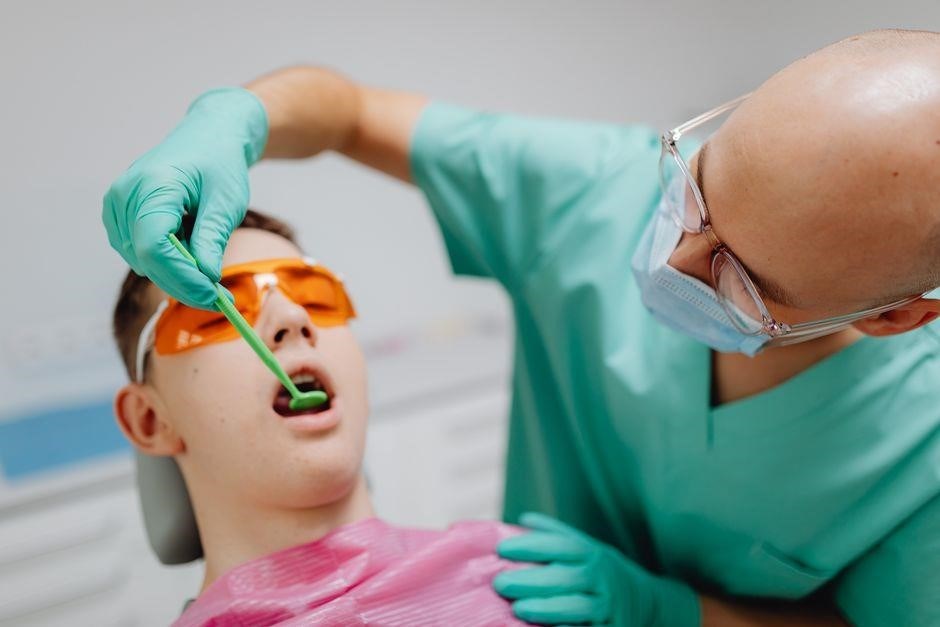
Immediately following a fluoride varnish application, the enamel surface is coated with a thin, adhesive resin that must remain undisturbed to allow the fluoride ions to penetrate fully․ The safest approach is to abstain from any food or beverage that could dislodge or dissolve this coating for at least the first 60 minutes․ During this window, only non‑acidic, low‑temperature liquids are acceptable․ Water at room temperature, unsweetened herbal teas, or diluted fruit juices (no more than 10% concentration) pose minimal risk․ Solid foods should be soft, cool, and free of sharp edges; examples include plain yogurt, mashed potatoes, or a small portion of oatmeal․ Avoid sticky or chewy items such as gummy candies, dried fruit, or caramel, as they can adhere to the varnish and pull it away․ Hot drinks, even if they are non‑acidic, should be delayed until the varnish has fully polymerized, typically after 90 minutes․ Similarly, acidic beverages like citrus juices or soda should be postponed for at least 24 hours, as the low pH can erode the protective layer and reduce fluoride uptake․ By adhering to these guidelines, patients can maximize the therapeutic benefits of the varnish while minimizing the risk of premature removal․
Avoiding Fluoride-Containing Products
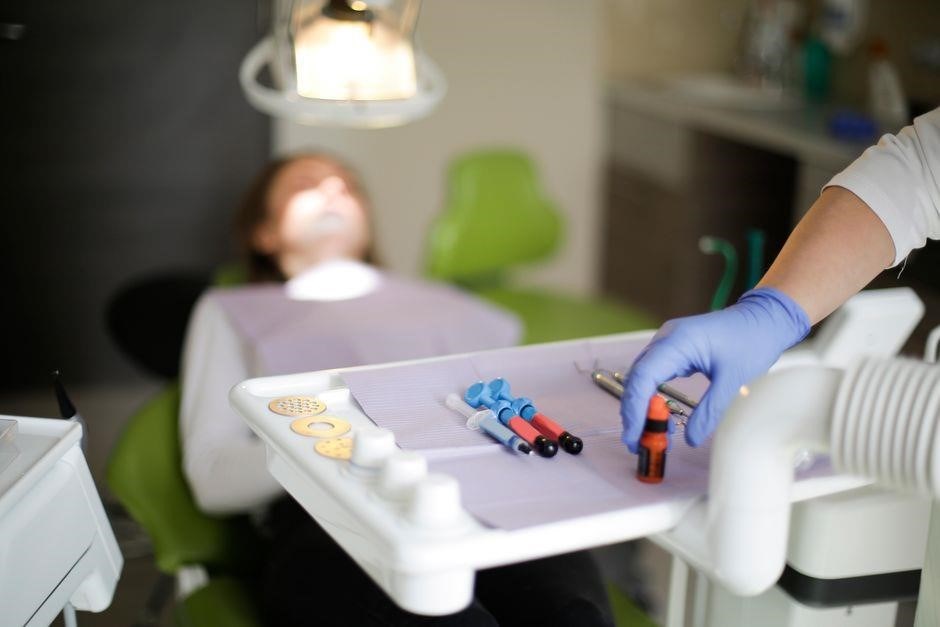
Immediately after varnish, refrain from fluoride toothpaste, rinses, gels, foams, and supplements for 48–72 hours․ This prevents dilution of the varnish and ensures maximum fluoride uptake by the enamel․ Avoid fluoride for 48 hrs․
3․1 Discontinuation of Fluoride Toothpaste and Rinses
Following a fluoride varnish application, patients should avoid any fluoride‑containing toothpaste or mouth rinse for a minimum of 48 to 72 hours․ The varnish forms a protective film that releases fluoride gradually; introducing additional fluoride sources too soon can dilute the varnish, reduce its adhesion, and compromise the intended therapeutic effect․ Patients are advised to switch to a non‑fluoride toothpaste or a fluoride‑free gel for the duration of the restriction period․ This temporary cessation allows the varnish to remain intact on the enamel surface, ensuring sustained fluoride release and optimal remineralization․ After the 48‑ to 72‑hour window, patients may resume their regular fluoride regimen, but should still follow the dentist’s recommendations regarding the frequency and concentration of fluoride products to maintain oral health without over‑exposure․ After the varnish has set, patients should continue to maintain a diet rich in calcium and phosphorus, as these minerals work synergistically with fluoride to strengthen enamel and prevent decay during the critical first 48 hours post-application․ This guidance ensures the varnish remains intact for․!!
3․2 Restrictions on Fluoride Gels and Foams
After a fluoride varnish session, the enamel surface is coated with a thin, highly concentrated fluoride layer that begins to release ions slowly․ Introducing fluoride gels or foams during the first 48 to 72 hours can interfere with this release by washing away the varnish or by creating a competing fluoride source that dilutes the varnish’s local concentration․ Most clinical guidelines recommend a complete pause on all fluoride gels, foams, and rinses for at least 48 hours, and in some cases up to 72 hours, to preserve the integrity of the varnish film․ During this window, patients should use a non‑fluoride toothpaste or a fluoride‑free gel that contains only mild abrasives and no active fluoride compounds․ It is also advisable to avoid any mouth rinses that contain sodium fluoride, stannous fluoride, or other fluoride salts․ If a patient requires a rinse for a medical reason, a dentist should prescribe a non‑fluoride alternative or schedule the rinse after the varnish has fully set․ Once the restriction period ends, patients can resume their regular fluoride regimen, but should still monitor the amount of fluoride used to avoid excessive exposure․ Enjoy a healthy smile daily․
3․3 Timing for Reintroducing Fluoride Supplements
Following a fluoride varnish application, the enamel surface is temporarily saturated with a high‑concentration fluoride reservoir․ Clinicians advise withholding additional fluoride sources—such as tablets, lozenges, or concentrated gels—for a specific interval․ Most protocols recommend a 48‑hour pause before re‑introducing oral fluoride supplements, allowing the varnish to bond fully and release ions steadily․ In high‑risk cases, a longer interval of up to 72 hours may be prudent․ When the waiting period ends, patients should resume their routine supplement schedule, spacing tablets or lozenges by at least 24 hours after brushing to avoid simultaneous exposure․ For those who rely on daily fluoride tablets, a single dose at bedtime after the varnish has set is generally safe․ Parents should monitor for irritation or staining, and consult the dentist if concerns arise․ By adhering to these timing guidelines, patients can enjoy the full benefits of varnish therapy and supplemental fluoride without compromising either treatment’s efficacy․ It also promotes long‑term cavity protection and daily enamel health for all ages!
Oral Hygiene Practices Post-Application
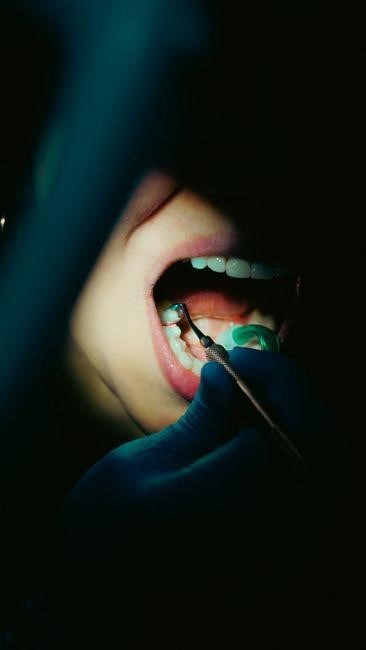
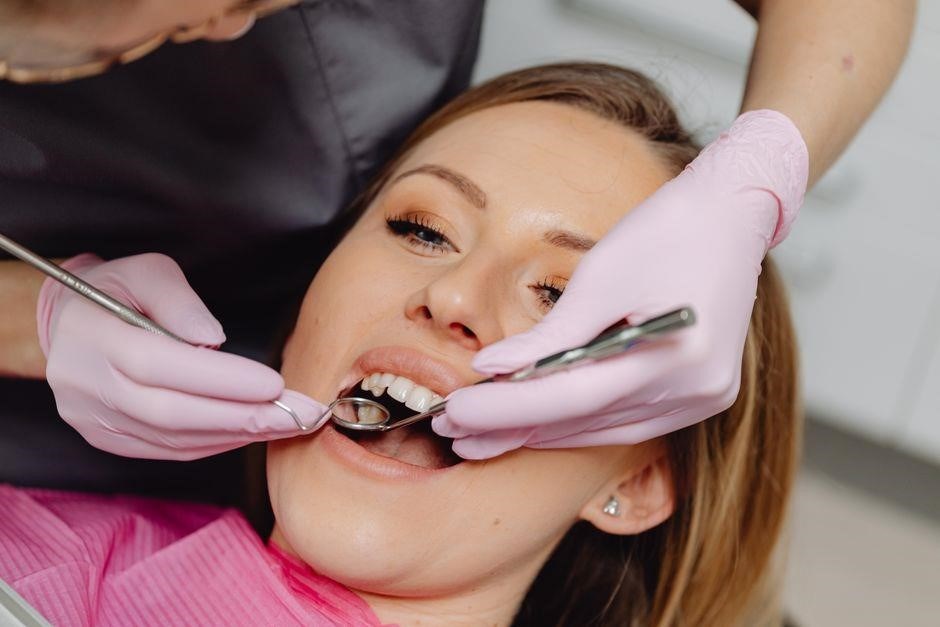
Gentle brushing with a soft‑bristle brush, using minimal pressure, and a fluoride‑free paste for 24 hours preserves the varnish layer․ Avoid rinsing immediately; instead, spit and wait 30 minutes before any mouthwash․ and no scrubbing now․
4․1 Gentle Brushing Techniques
After fluoride varnish application, the coating must remain intact to deliver maximum benefit․ Begin brushing only after the 24‑hour window recommended by your dentist․ Use a soft‑bristle brush and apply minimal pressure, moving the brush in gentle, circular motions rather than back‑and‑forth scrubbing․ This technique reduces the risk of dislodging the varnish․ Select a fluoride‑free toothpaste or a non‑abrasive paste to avoid chemical interference․ Rinse with water only, and avoid mouthwash for the first 48 hours; If you must rinse, use a mild, non‑alcoholic solution and keep the rinse brief․ After the initial 48‑hour period, you may resume normal oral hygiene, but continue to use a soft brush and gentle strokes․ Remember, the goal is to preserve the varnish layer while maintaining plaque control․ Consistency and patience are key to a successful post‑op routine․ Finally, avoid chewing hard foods like ice or candy for 48 hours now!
4․2 Mouth Rinsing Guidelines

Immediately after fluoride varnish application, refrain from rinsing your mouth for at least 24 hours․ This allows the varnish to bond fully to enamel․ When you do rinse, use only plain water, swishing gently for 30 seconds and spitting out without vigorous force․ Avoid mouthwashes containing alcohol, essential oils, or high fluoride concentrations for the first 48 hours, as these can strip the varnish․ If a medicated rinse is prescribed, wait until the 48‑hour mark before using it․ For routine cleansing, a mild, non‑alcoholic, fluoride‑free rinse is acceptable after the initial 48‑hour period․ Do not use a straw to drink acidic beverages, as the liquid can run directly over the varnish; instead, sip slowly and let the liquid flow over the back of the tongue; Remember to keep the mouth dry for the first 24 hours; saliva naturally aids varnish adhesion․ After 48 hours, normal rinsing habits can resume, but continue to avoid harsh chemicals for at least one week to maintain varnish integrity․ After 48 hours, you may use a fluoride mouthwash, but only once daily and in small amounts to avoid over‑exposure․ Keep the mouth moist by sipping water between meals, avoid swallowing amounts of liquid that could wash away the varnish․
4․3 Avoiding Abrasive Cleansers
After a fluoride varnish session, the enamel surface is temporarily softened and coated․ Introducing abrasive cleansers can dislodge the protective film and compromise the treatment’s effectiveness․ For the first 48 hours, avoid any product that contains silica, calcium carbonate, or other gritty particles․ This includes traditional whitening toothpastes, pumice‑based scrubs, and abrasive floss․ Instead, opt for a soft brush and a fluoride‑free paste․ If you must brush, use a gentle, circular motion, applying minimal pressure․ Avoid using a brush with stiff bristles or a electric brush set to a hard setting․ Do not use any whitening strips, gels, or bleaching agents during this period, as the chemicals can erode the varnish layer․ After the initial 48‑hour window, you may resume normal oral hygiene, but continue to use a soft brush and a mild paste․ Maintaining a gentle cleaning routine preserves the varnish’s protective barrier and maximizes its caries‑preventive benefits․ etc․ Remember, the varnish remains most effective when no abrasive contact occurs for at least 48 hours after application daily use․
Lifestyle and Activity Considerations
Limit vigorous exercise for 24 hrs to avoid accidental brushing or rinsing that could strip the varnish․ Maintain a calm routine, avoid chewing gum, and keep the mouth moist with water․ Follow dentist’s follow‑up schedule․ daily․!
5․1 Physical Activity Restrictions
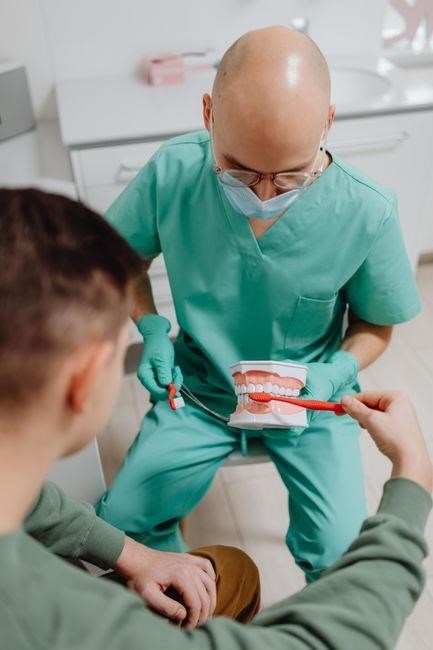
After fluoride varnish application, patients should avoid strenuous physical activity for at least 24 hours․ Intense exercise increases saliva flow and can mechanically dislodge the protective coating before it fully sets․ Activities that involve heavy chewing, mouth clenching, or rapid breathing—such as running, cycling, or contact sports—should be postponed․ If the patient must engage in moderate activity, they should keep the mouth closed and avoid any forceful movements that could disturb the varnish․ Additionally, wearing protective gear that contacts the mouth (e․g․, mouthguards) should be avoided until the varnish has fully cured․ Following these restrictions helps ensure maximum fluoride uptake and enamel strengthening․ Patients should also refrain from using any mouthwash or toothpaste for the first 24 hours, as the abrasive action can strip the varnish․ These measures ensure the varnish now․ Finally, avoid chewing on hard objects or using the teeth as tools during this period․ To further safeguard the varnish, patients are advised to keep the mouth moist by sipping small amounts of water, but avoid swallowing large gulps that could dislodge the coating to reduce pressure gently․․
5․2 Dental Appointment Follow-Up
After a fluoride varnish application, a timely follow‑up visit is essential to assess the treatment’s effectiveness and to reinforce oral hygiene practices․ Most pediatric and general dental offices schedule a check‑in within 4 to 6 weeks, allowing the varnish to have fully integrated into the enamel and providing an opportunity for the clinician to evaluate any early signs of enamel remineralization or potential sensitivity․ During this appointment, the dentist will typically perform a gentle visual inspection, using a high‑magnification loupe or a small‑lighted probe, to confirm that the varnish has not been prematurely removed and that the enamel surface remains smooth and intact․ If the patient reports any discomfort, such as transient tooth sensitivity or a mild burning sensation, the clinician will discuss possible causes—often related to residual fluoride or the patient’s diet—and may recommend a short course of desensitizing toothpaste or a fluoride varnish re‑application if warranted․ Additionally, the follow‑up visit serves as a teachable moment to reinforce the importance of limiting sugary snacks, maintaining a balanced diet, and adhering to a consistent brushing routine with a soft‑bristle brush and fluoride toothpaste․ The dentist may also provide a personalized oral care plan, including a schedule for future varnish applications, which are typically recommended every six to twelve months for high‑risk patients․ By ensuring that the patient receives a comprehensive evaluation and tailored guidance, the follow‑up appointment helps maximize the long‑term benefits of fluoride varnish therapy and supports sustained dental health․
5․3 Monitoring for Adverse Reactions
After a fluoride varnish application, vigilance for any negative response is crucial․ The most common early signs include mild burning, tingling, or a transient metallic taste that typically resolves within 24 hours․ A more pronounced reaction—such as swelling of the lips, tongue, or oral mucosa, or a persistent sore feeling—warrants immediate contact with the dental office․ Patients should monitor their oral tissues for up to 48 hours, noting any changes in color, texture, or sensation․ If a rash or itching develops on the skin surrounding the mouth, or if the patient experiences difficulty swallowing or breathing, these symptoms are considered medical emergencies and require urgent evaluation․ Recording the exact time of varnish application and the onset of symptoms helps the clinician determine whether the reaction is directly related to the fluoride product or to another factor․ In cases of suspected allergic reaction, the dentist may recommend a short course of antihistamines and a follow‑up appointment to reassess the oral cavity․ For patients with a history of fluoride sensitivity, the provider may suggest a lower‑concentration varnish or an new remineralization․