
Motorola Talkabout radios offer reliable communication, and the owner’s manual is crucial for safe, effective use.
Understanding the RF Energy Exposure and Product Safety Guide is essential before operation.
These two-way radios, like the T42 and T280, provide instant connectivity.
Accessing PDF manuals online ensures optimal performance and longevity of your Motorola device.
What are Motorola Walkie Talkies?
Motorola Walkie Talkies, often called Talkabout radios, are handheld, two-way communication devices. They enable instant voice contact without relying on cellular networks, making them ideal for various situations. These radios operate on specific radio frequencies, allowing users to communicate directly with each other within range.
Different models, such as the T42, T280, T5100, and T4501, cater to diverse needs, from simple recreational use to more demanding professional applications. The owner’s manual is a vital resource, detailing how to properly operate each model. It covers essential aspects like turning the radio on/off, adjusting volume, and selecting channels.
Understanding the features and components, as outlined in the manual, ensures optimal performance. PDF manuals are readily available online for convenient access to instructions and safety guidelines.
Benefits of Using Motorola Walkie Talkies
Motorola Walkie Talkies offer numerous advantages, primarily instant communication without cellular costs or coverage limitations. They are perfect for outdoor activities, events, and situations where reliable connectivity is crucial. The Talkabout series provides a cost-effective communication solution for families, teams, and professionals.
A key benefit is ease of use; the owner’s manual simplifies setup and operation. Features like VOX (voice-operated exchange) and scanning channels enhance convenience. Understanding privacy codes, detailed in the manual, ensures secure conversations.
Accessing PDF manuals online provides troubleshooting guidance for common issues like poor reception or a non-functional PTT button. Proper battery care, as outlined in the manual, extends the radio’s lifespan.
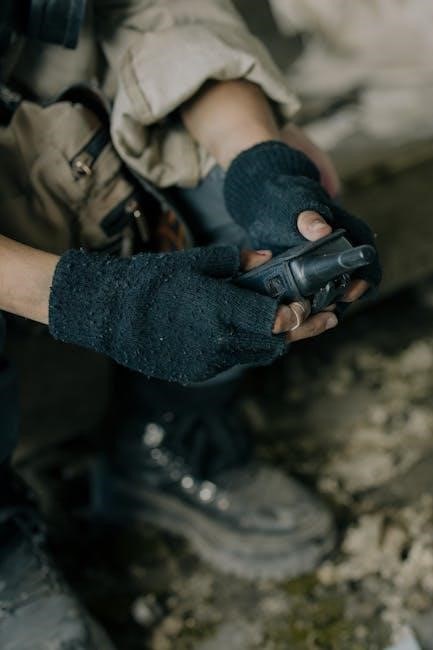
Understanding Your Motorola Walkie Talkie Model
Motorola offers diverse models like T42, T280, T5100, and T4501. The manual identifies components and features specific to your radio, ensuring proper operation.
Identifying Your Specific Model (T42, T280, T5100, T4501 etc;)
Accurately identifying your Motorola Talkabout model is the first step to accessing the correct resources. Models like the T42, T280, T5100, and T4501 each have unique features and require specific instructions.
The model number is typically located on the back of the radio, often near the battery compartment, or under the antenna. Referencing this number when searching for a PDF manual online ensures you download the correct documentation.
Motorola’s support website and manuals library allow you to filter by model number, streamlining the process. Using the correct manual guarantees you understand your radio’s capabilities and can troubleshoot effectively.
Key Features and Components
Motorola Talkabout walkie-talkies boast several key features. Essential components include the Push-to-Talk (PTT) button for transmitting, and volume control buttons for adjusting audio levels. A MENU/Power button manages operation and power.
Channel selection allows for communication on different frequencies, while VOX (Voice Operated Exchange) enables hands-free operation. Many models offer privacy codes to minimize interference. The antenna is crucial for signal reception and transmission range.
Understanding these components, as detailed in your user manual, is vital for optimal performance. Familiarize yourself with their functions to maximize the benefits of your Motorola two-way radio.
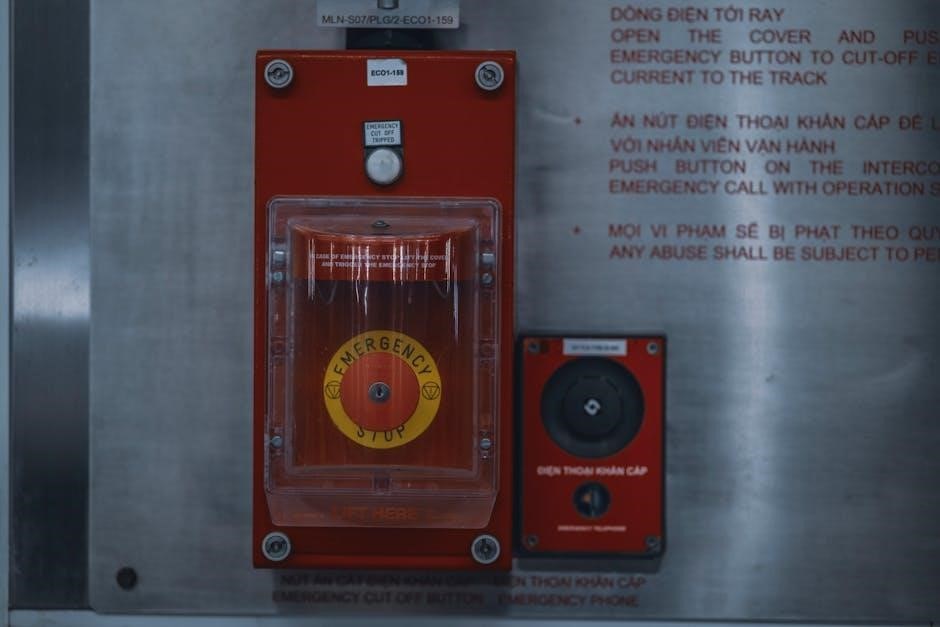
Basic Operations
Motorola radios are simple to use! Press and hold the MENU/Power button to turn the radio on or off. Ensure all radios share the same channel for communication.
Turning the Radio On and Off
Powering on your Motorola Talkabout walkie talkie is straightforward. Locate the MENU/Power button – it often serves a dual function. Press and hold this button for a few seconds until you hear a chime or see the display illuminate. This indicates the radio is now active and ready for use.
To turn the radio off, repeat the same process. Press and hold the MENU/Power button again until the display shuts off and the chime sounds, confirming the device is powered down. Always ensure the radio is completely off when not in use to conserve battery life. Refer to your specific model’s manual for any variations in this process, as button placement and functionality can differ slightly.
Adjusting the Volume
Controlling the audio level on your Motorola walkie talkie is simple and crucial for clear communication. Typically, dedicated volume control buttons – often marked with “+” and “-” symbols – are located on the side of the radio. Pressing the “+” button increases the volume, while pressing the “-” button decreases it.
You can adjust the volume while actively transmitting or receiving, allowing you to quickly adapt to different environments. Many models also feature a volume level indicator on the display. Start with a low volume and gradually increase it until you achieve a comfortable listening level. Be mindful of your surroundings and avoid excessively loud volumes to protect your hearing.
Selecting a Channel
Choosing the correct channel is vital for communicating with others using Motorola walkie talkies. Ensure all radios in your group are tuned to the same channel to establish a connection. Most models utilize a channel selector knob or buttons to navigate through available channels.
Refer to your user manual for a list of pre-programmed channels and their designated uses, if any. Experiment with different channels to find one with minimal interference. Remember that some channels may be shared with other users, so privacy codes (discussed later) can enhance security. Always confirm the channel with your communication partners before initiating a conversation.
Using the Push-to-Talk (PTT) Button
The Push-to-Talk (PTT) button is fundamental to operating your Motorola walkie talkie. Hold the PTT button down while speaking into the microphone; this activates the transmission. Release the button to listen for incoming messages. It’s crucial to avoid talking before pressing the PTT, as this prevents clear transmission.
Ensure you speak clearly and directly into the microphone for optimal audio quality. A brief pause after releasing the PTT allows the other party to respond without interruption. Familiarize yourself with the PTT button’s location and responsiveness for seamless communication. Proper PTT usage is key to effective two-way radio operation.
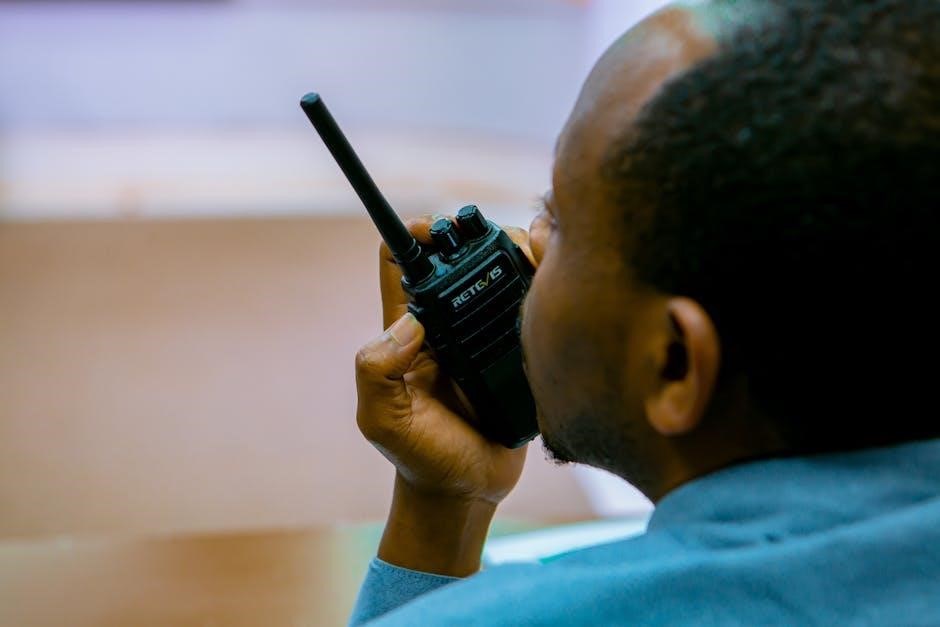
Advanced Features
Motorola walkie talkies offer features like channel scanning, VOX (voice-activated transmission), and customizable call tones.
Privacy codes enhance secure communication on selected channels.
Scanning Channels
Channel scanning is a powerful feature allowing your Motorola walkie talkie to automatically search for active conversations. To initiate a scan, typically you’ll need to access the menu and select the ‘Scan’ function. The radio will cycle through all programmed channels, pausing briefly on any channel where activity is detected.
This is incredibly useful for monitoring multiple frequencies without manually switching between them. However, remember that the scan function may briefly stop on weak or intermittent signals. You can usually halt the scan by pressing the PTT (Push-to-Talk) button or the Menu/Set button, allowing you to respond to the detected transmission. Refer to your specific model’s manual for precise instructions, as the scanning process can vary slightly between Talkabout models like the T42 or T5100.
Using VOX (Voice Operated Exchange)
VOX, or Voice Operated Exchange, enables hands-free communication with your Motorola walkie talkie. When activated, the radio transmits automatically when it detects your voice, eliminating the need to press the PTT button. Accessing VOX functionality usually involves navigating the radio’s menu settings.
You’ll typically find options to adjust the VOX sensitivity level – higher sensitivity detects quieter sounds, while lower sensitivity requires a louder voice. Be mindful of background noise, as it can trigger unwanted transmissions. VOX is particularly useful in situations where your hands are occupied. Consult your Talkabout model’s manual (T42, T280, etc.) for specific setup instructions and optimal sensitivity settings.
Setting Up Call Tones
Motorola walkie talkies allow you to personalize communication with call tones. These tones signal to other users that you are initiating a conversation, functioning like a digital “knock” before speaking. Setting up call tones is usually done through the radio’s menu system, offering a selection of pre-programmed sounds.
To change the call tone, navigate to the appropriate menu option in your Talkabout model (T4501, T5100, etc.). Select a tone that is easily recognizable and distinguishable from background noises. Consistent use of call tones improves clarity and prevents accidental interruptions. Refer to your specific model’s PDF manual for detailed instructions on accessing and customizing these features, ensuring optimal communication.
Privacy Codes and Channel Selection
Motorola walkie talkies utilize channels and privacy codes (also known as CTCSS/DCS) to minimize interference and enhance communication security. Selecting the appropriate channel is fundamental; ensure all radios in your group are tuned to the same frequency for clear conversations.
Privacy codes further refine communication by filtering out signals from other users on the same channel. While not providing complete privacy, they reduce unwanted noise. The Talkabout owner’s manual details how to set these codes. Experiment with different combinations to find the clearest signal. Remember, effective channel and code selection, as outlined in your PDF manual, is key to reliable operation, especially in crowded environments.
Troubleshooting Common Issues
Motorola walkie talkie problems like no power, poor reception, static, or a non-functional PTT button are addressable. Consult your manual for solutions!
No Power
If your Motorola walkie talkie fails to power on, several checks are necessary. First, ensure the batteries are correctly installed, observing the proper polarity as indicated within the battery compartment.
Verify battery charge levels; depleted batteries are a common cause. Try replacing them with a fresh set of alkaline or rechargeable batteries. Confirm the battery contacts are clean and free from corrosion, as this can impede power flow.
Refer to your specific model’s manual for battery type recommendations. Press and hold the MENU/Power button firmly for a few seconds to initiate power-up. If the unit still doesn’t respond, consult the RF Energy Exposure and Product Safety Guide for further assistance or contact Motorola Support.
Poor Reception
Experiencing weak signal strength with your Motorola walkie talkie? Several factors can contribute to poor reception. Ensure you and your communication partner are within range, as distance significantly impacts signal quality.
Obstacles like buildings, trees, and terrain can obstruct the radio waves. Try moving to a higher, more open location for a clearer signal. Verify both radios are set to the same channel; mismatched channels prevent communication.
Consider interference from other electronic devices. Experiment with different channels to find one with less interference. Refer to your model’s manual regarding optimal antenna positioning and range limitations for improved reception;
Static or Interference
Hearing static or unwanted noise on your Motorola walkie talkie? This often indicates interference. Change to a different channel – another channel might offer a clearer signal, avoiding the source of disruption. Privacy codes can also help minimize interference by filtering out unwanted transmissions.
External electronic devices can cause static. Move away from potential sources like computers, microwaves, or other radios. Ensure the antenna is securely attached and undamaged, as a loose or broken antenna can worsen reception and introduce noise.
Consult your user manual for specific troubleshooting steps related to interference for your T42, T280, or T5100 model.
PTT Button Not Working
If your Motorola walkie talkie’s Push-to-Talk (PTT) button isn’t functioning, first ensure it’s fully depressed while speaking. Check the battery level; a low battery can sometimes cause erratic behavior. Confirm you’re on a valid channel and that no other radio is currently transmitting on that frequency.
Inspect the PTT button for debris or damage. Try resetting the radio by turning it off and on again. Refer to your model’s manual (T4501, T5100 etc.) for specific troubleshooting steps, as some models have PTT lock features.
If the issue persists, contact Motorola Support for further assistance. A malfunctioning PTT button may require professional repair.
Safety Information
Prioritize safety by reviewing the RF Energy Exposure and Product Safety Guide included with your Motorola radio. Battery safety is also crucial for optimal use.

RF Energy Exposure and Product Safety Guide
Understanding radio frequency (RF) energy exposure is paramount for safe walkie-talkie operation. Motorola provides a detailed RF Energy Exposure and Product Safety Guide with each radio, and it’s essential to read it before use.
This guide outlines specific safety recommendations to ensure compliance with applicable standards and regulations. It details how to operate your Talkabout radio responsibly, minimizing RF exposure. Key considerations include maintaining a safe distance from the antenna during transmission and being aware of your surroundings.
The guide also covers important product safety information, including proper handling, storage, and potential hazards. Adhering to these guidelines will help you enjoy your Motorola radio safely and responsibly, protecting yourself and others.
Battery Safety Precautions
Motorola walkie-talkies utilize batteries requiring careful handling for optimal performance and safety. Always use Motorola-approved batteries and chargers to avoid damage or potential hazards. Never attempt to modify or disassemble the battery pack.
Avoid exposing batteries to extreme temperatures, such as direct sunlight or open flames. Improper charging can lead to overheating, leakage, or even fire. Only charge the battery in a well-ventilated area and disconnect the charger when the battery is fully charged.
Dispose of used batteries responsibly, following local regulations for battery recycling. Do not incinerate or dispose of batteries in general waste. Following these precautions ensures safe battery operation and prolongs the life of your Motorola radio.

Maintaining Your Walkie Talkie
Regular cleaning with a damp cloth keeps your Motorola radio functioning well. Proper battery charging and careful storage extend its lifespan and reliability.
Cleaning Instructions
Maintaining your Motorola walkie talkie’s exterior is simple yet vital for longevity. Regularly wipe down the radio’s casing with a slightly damp cloth to remove dirt and grime. Avoid using harsh chemicals, solvents, or abrasive cleaners, as these can damage the plastic and internal components.
Ensure the radio is turned off and the battery is removed before cleaning. Pay particular attention to the speaker grill and microphone port, gently removing any debris. For stubborn dirt, a soft brush can be used cautiously. Never submerge the radio in water or any other liquid.
After cleaning, thoroughly dry the radio with a clean, dry cloth before reattaching the battery and resuming use. Consistent, gentle cleaning will help keep your Motorola radio in optimal condition for years to come.
Battery Charging and Care
Proper battery care maximizes your Motorola walkie talkie’s runtime and lifespan. Use only the Motorola-approved charger specifically designed for your model. Avoid overcharging the battery, as this can reduce its capacity and lifespan. Disconnect the charger once the battery is fully charged.
For optimal performance, fully discharge and then recharge the battery periodically. Store batteries in a cool, dry place, away from direct sunlight and extreme temperatures. Do not store batteries for extended periods in a discharged state.
Always handle batteries with care, avoiding drops or impacts. Dispose of old batteries responsibly, following local regulations for battery recycling. Following these guidelines will ensure your Motorola radio remains powered and reliable.
Storage Guidelines
Proper storage is vital for maintaining your Motorola walkie talkie’s functionality and extending its life. When not in use, store the radio in a cool, dry place, shielded from direct sunlight, dust, and extreme temperatures. Avoid storing the radio in humid environments, as moisture can cause corrosion.
Remove the batteries if storing the radio for an extended period to prevent potential leakage and damage. Store batteries separately in a cool, dry location. Protect the radio from physical impacts during storage, using a case or protective covering if possible.
Ensure the radio is completely dry before storing it. Following these guidelines will help preserve your Motorola radio’s condition and ensure it’s ready for use when needed.
Downloading Manuals and Resources
Motorola provides readily available PDF manuals and user guides online for Talkabout models like T42, T5100, and T4501.
Visit the Motorola Support website for comprehensive resources!
Finding PDF Manuals Online
Locating your Motorola walkie-talkie’s manual in PDF format is straightforward. Several online resources offer free downloads for various Talkabout models. A quick web search using your specific model number (e.g., “Motorola T42 manual PDF”) will yield numerous results.
ManualsLib and similar sites host a vast collection of Motorola documentation, including owner’s manuals and user guides. The official Motorola Support website is also a primary source, offering downloadable PDFs directly from the manufacturer. These manuals cover everything from basic operations to advanced features and troubleshooting.
Ensure the PDF you download corresponds to your exact model to guarantee accurate instructions. These digital manuals are invaluable for understanding your radio’s capabilities and ensuring safe, effective use.
Motorola Support Website
The official Motorola Support website is a premier destination for walkie-talkie resources. Here, you’ll find a dedicated section for Talkabout radios, offering a comprehensive library of downloadable PDF manuals and user guides; Navigating the site is simple; typically, you can search by model number to pinpoint the exact documentation for your device.
Beyond manuals, the Motorola support portal provides FAQs, troubleshooting tips, and access to community forums where users share experiences and solutions. You can also find information regarding warranty claims and repair services.
This website ensures you have access to the most up-to-date and accurate information directly from the manufacturer, maximizing your walkie-talkie experience.
Talkabout Walkie-Talkie Manuals and User Guides
Talkabout walkie-talkie manuals and user guides are readily available online, offering detailed instructions for various models like the T42, T280, T5100, and T4501. These resources cover everything from basic operations – turning the radio on/off, adjusting volume, and using the PTT button – to advanced features like scanning channels and setting up VOX.
These guides emphasize safety, including the crucial RF Energy Exposure and Product Safety Guide. You’ll find information on battery care, cleaning procedures, and troubleshooting common issues like poor reception or static.
Accessing these manuals ensures you can fully utilize your Motorola radio’s capabilities and maintain its optimal performance.